
Sports Equine Veterinary Services in Hampshire
Lameness Investigation & Performance Diagnostics
Lameness and subtle performance issues can significantly affect a horse’s ability to train and compete. At Equimotion, we provide structured and thorough lameness investigations designed to identify the source of the problem quickly and accurately. A lameness workup may be recommended when a horse shows signs such as a shortened stride, reluctance to turn or bend, resistance under saddle, intermittent or inconsistent lameness, or a drop in performance compared to its previous level. These changes can often be subtle at first, but early investigation can make a significant difference, allowing simpler treatment.

Detailed Assessments
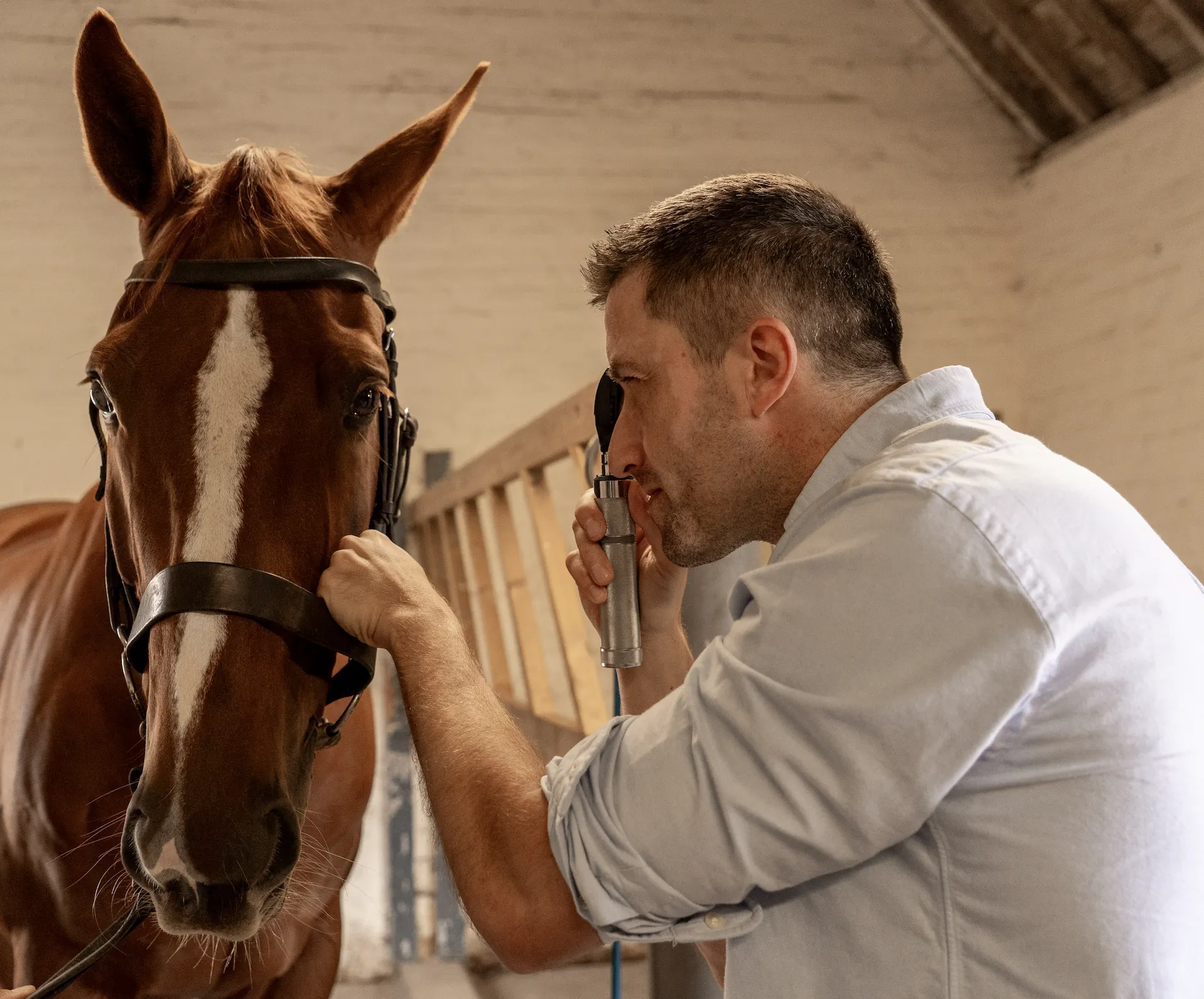
- Full clinical examination
- Static and dynamic gait assessment
- Flexion tests
- Diagnostic nerve or joint blocks
- Assessment of conformation and shoeing
- Review of training and workload
- Diagnostic imaging where appropriate
- Development of a treatment and rehabilitation plan
 I
 II
Investigating Poor Performance
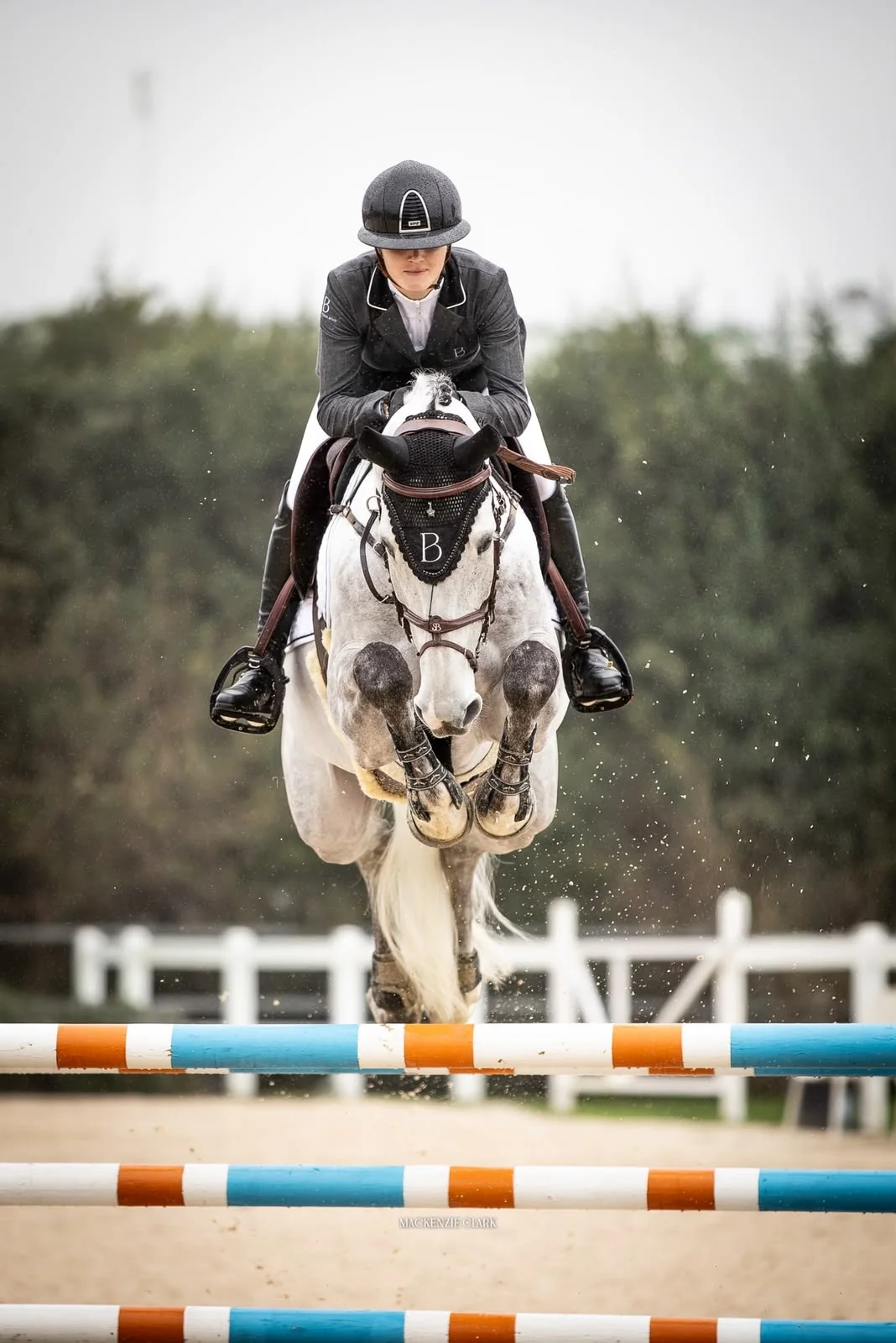
Not all performance problems present as obvious lameness. Reduced scope, inconsistent contact, reluctance to jump, or loss of impulsion may indicate underlying discomfort or musculoskeletal issues.
Through systematic investigation we aim to identify the cause and provide a clear pathway towards treatment, rehabilitation and return to performance.
Collaborative Care
Where appropriate, we work closely with farriers, physiotherapists, equine dentists and referral hospitals to ensure each horse receives the most effective treatment and ongoing management.
Poor Performance
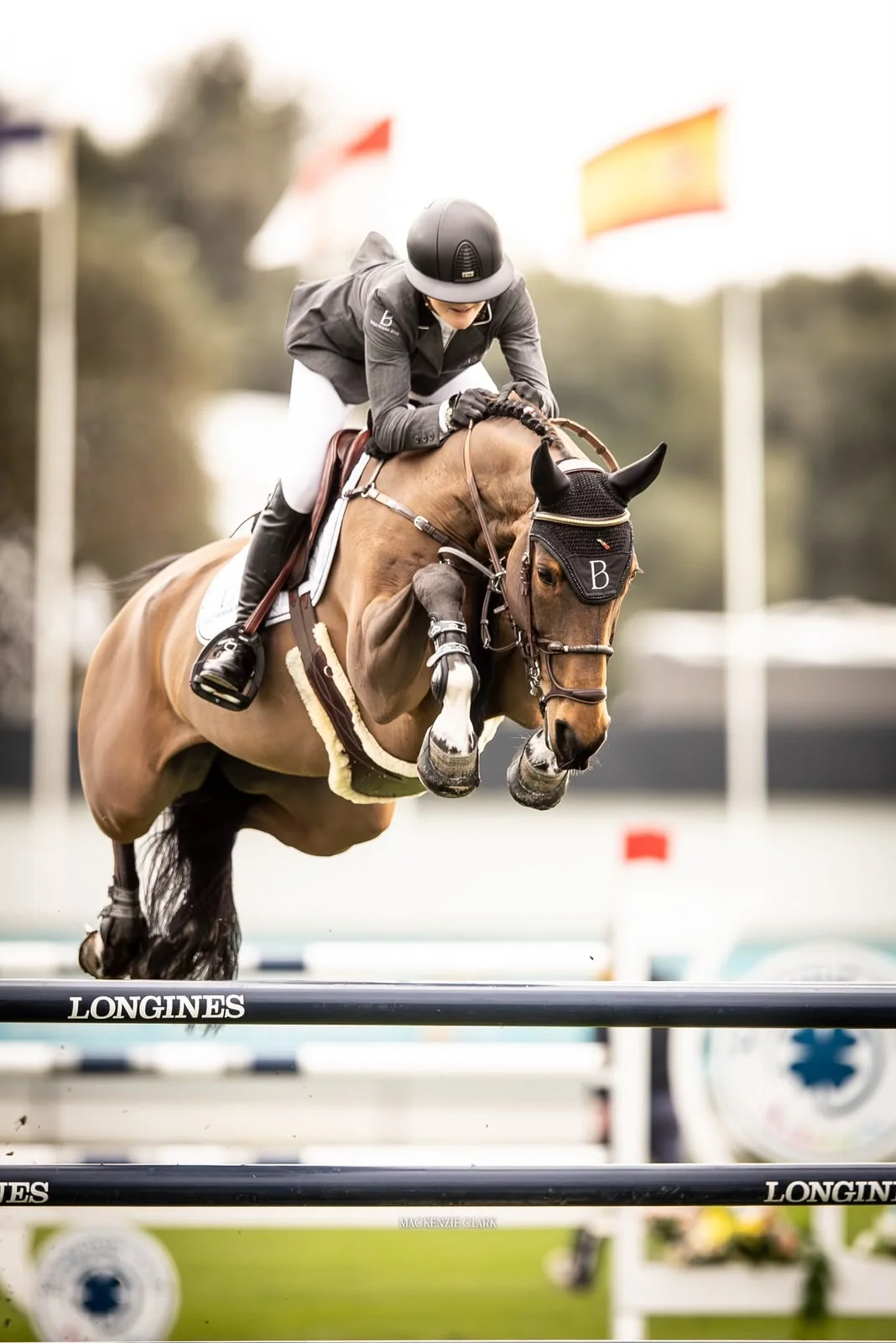
Reduced performance may present as subtle changes rather than obvious lameness.
Signs may include:
- Reduced jump scope
- Loss of impulsion
- Resistance in transitions
- Behavioural changes under saddle
- Reduced stamina
Equimotion investigates poor performance through structured diagnostics including clinical examination, lameness investigation and additional tests such as gastroscopy or endoscopy where appropriate.
 III