
Lameness
When Does a Horse Need a Lameness Workup?
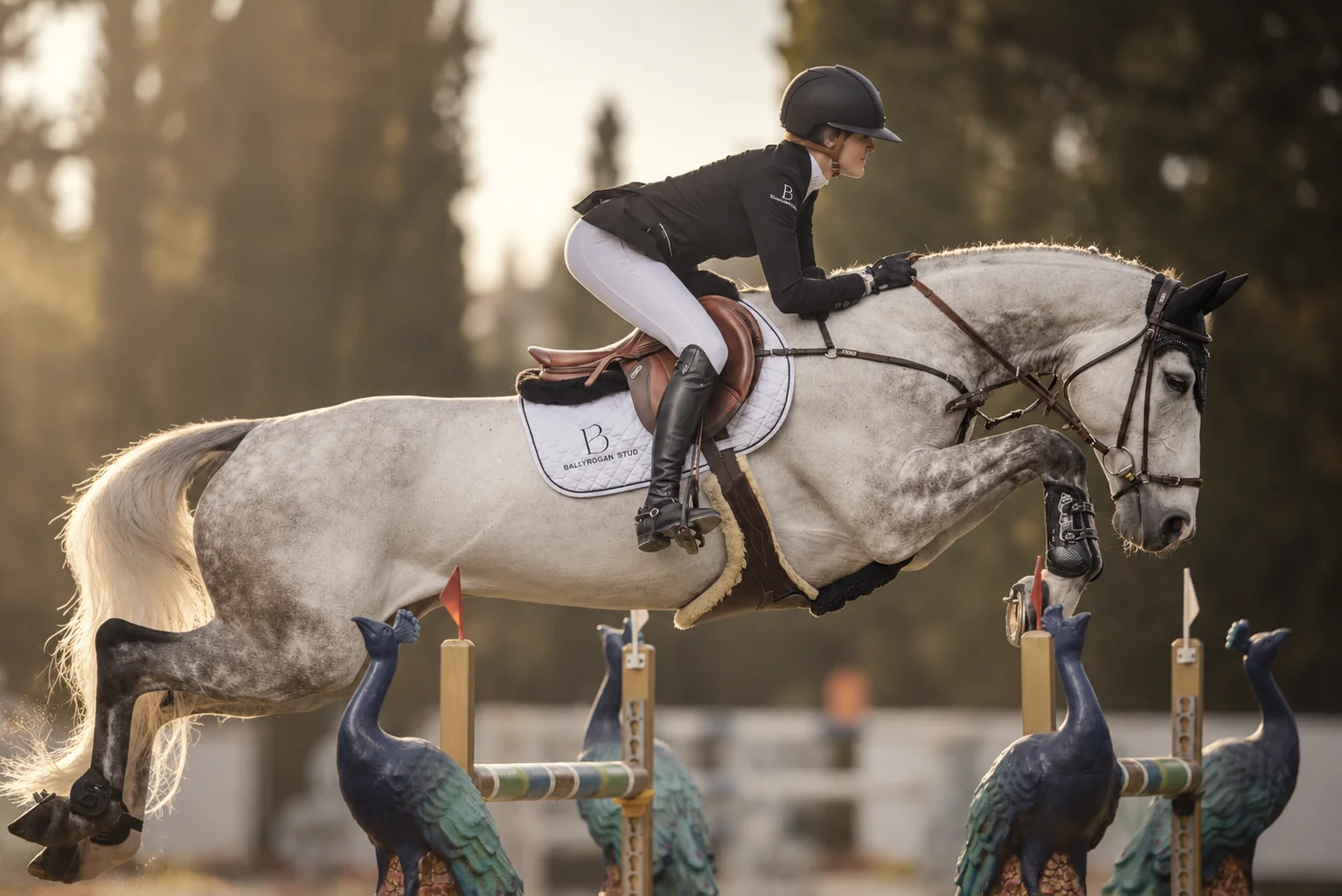
Lameness in horses is not always obvious. Many competition horses continue to train and compete while experiencing subtle discomfort that affects performance rather than causing clear visible lameness.
Equine Lameness Assessments Available in Hampshire, Surrey and West Sussex
At Equimotion, we frequently investigate horses that appear sound but show small changes in movement, behaviour or performance. Early investigation allows issues to be identified before they develop into more significant injuries.
For enquiries, please contact our office.
Signs Your Horse May Need a Lameness Examination
A lameness workup may be recommended if your horse shows:
- Reduced jump scope or reluctance to jump
- Difficulty maintaining rhythm or impulsion
- Uneven contact or resistance when ridden
- Shortened stride or stiffness when warming up
- Reluctance to work on one rein
- Difficulty with transitions or collection
- Loss of performance compared to previous level
- Intermittent or inconsistent lameness
Even small changes in movement can indicate underlying musculoskeletal discomfort.
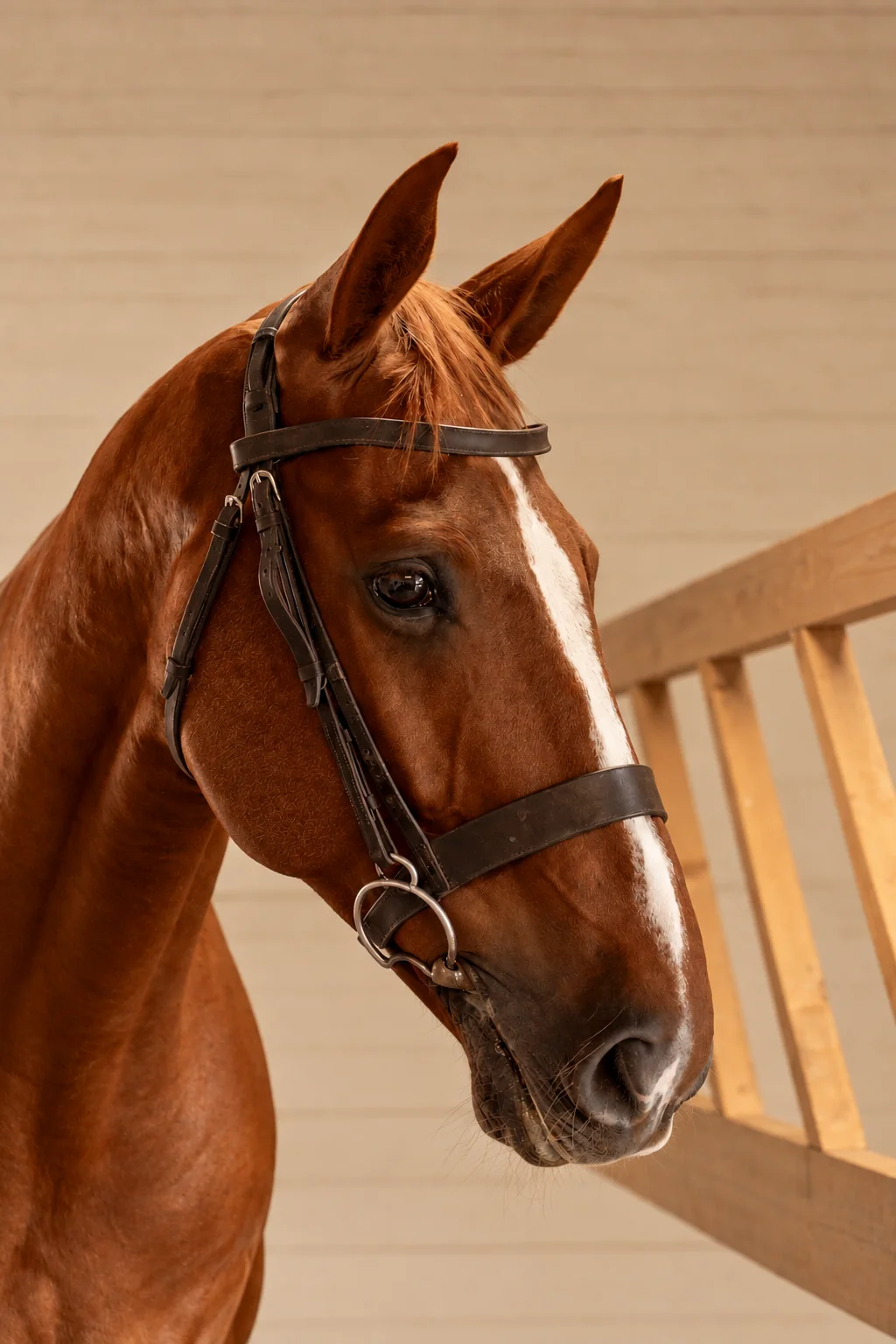
What Happens During a Lameness Workup?
A lameness investigation is designed to identify the source of pain or reduced performance through a structured diagnostic process.
Depending on the case, the examination may include:
- Detailed clinical examination
- Observation of the horse in motion
- Flexion tests
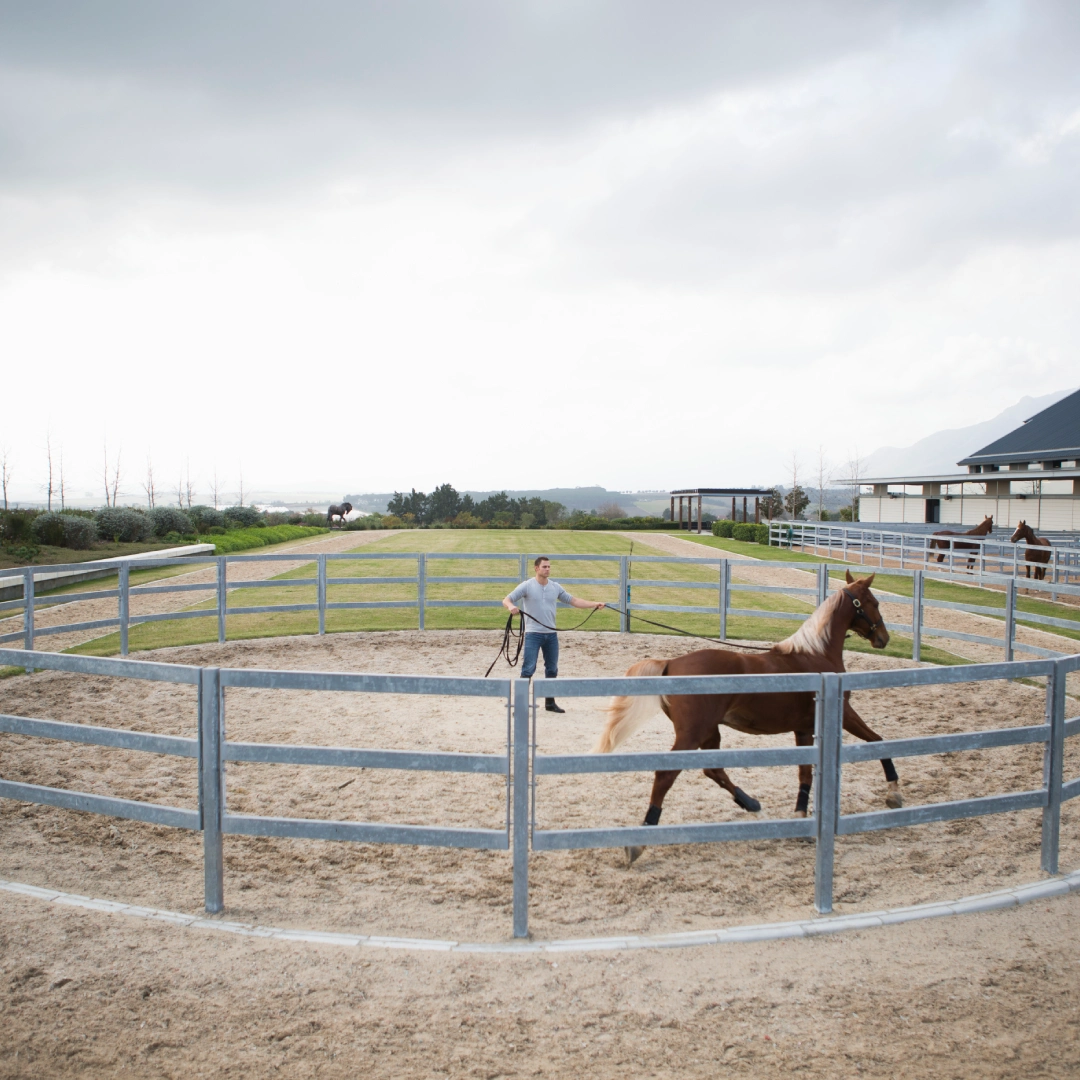
- Lunging on different surfaces
- Diagnostic nerve or joint blocks
- Assessment of shoeing and conformation
- Review of training history and workload
Each investigation is tailored to the individual horse and its discipline.
Why Early Investigation Matters
Addressing problems early often allows simpler treatment and faster recovery.
If left unresolved, minor issues can progress into more serious injuries that require longer rehabilitation.
For competition horses, early diagnosis helps maintain consistent training and performance throughout the season.
Working With Your Horse’s Support Team
Successful management of lameness often involves collaboration with other professionals involved in the horse’s care. Where appropriate, we may work alongside:
- Farriers
- Equine physiotherapists
- Chiropractors
- Equine dentists
- Referral hospitals
This team approach helps ensure the horse receives the most effective treatment and long-term management.
Our Approach at Equimotion
Our focus is on efficient diagnosis and clear clinical decision-making. We aim to identify the cause of the issue quickly and recommend the most effective path forward.
Where appropriate, treatment can be provided directly by our practice. If advanced diagnostics or specialist procedures are required, we will organise prompt referral to trusted equine hospitals or specialists.
For enquiries, please contact our office on 07496 772503.